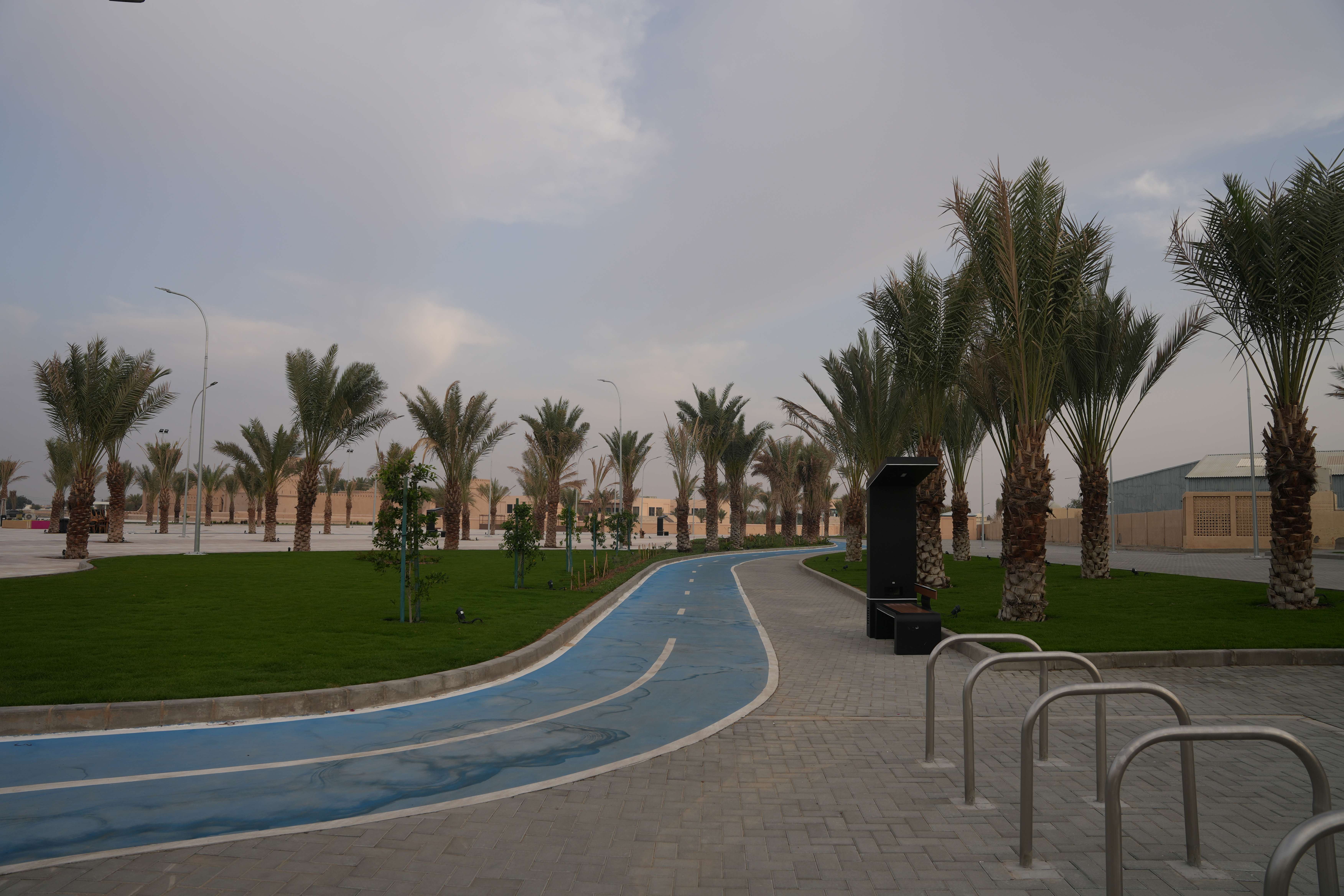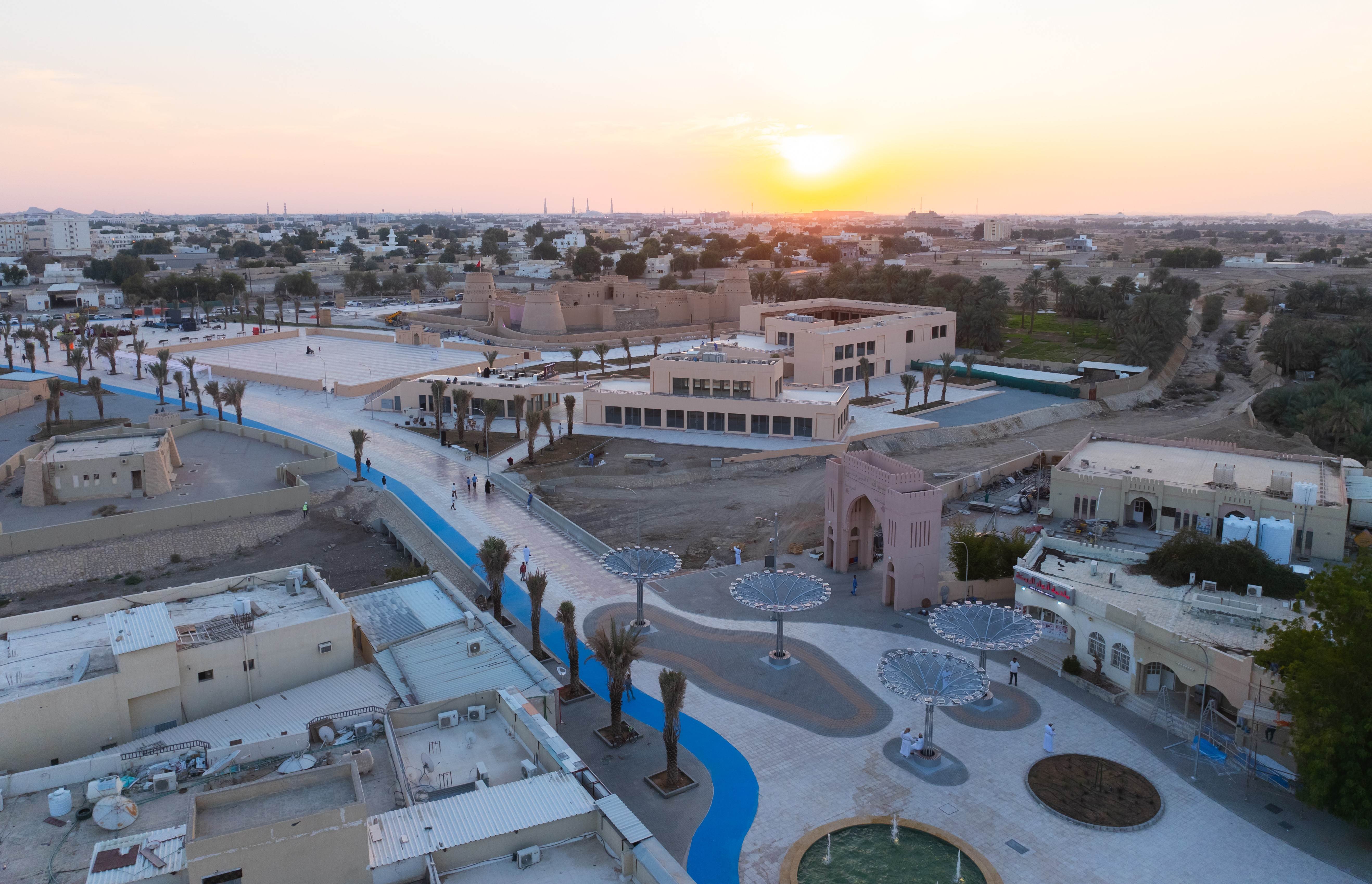

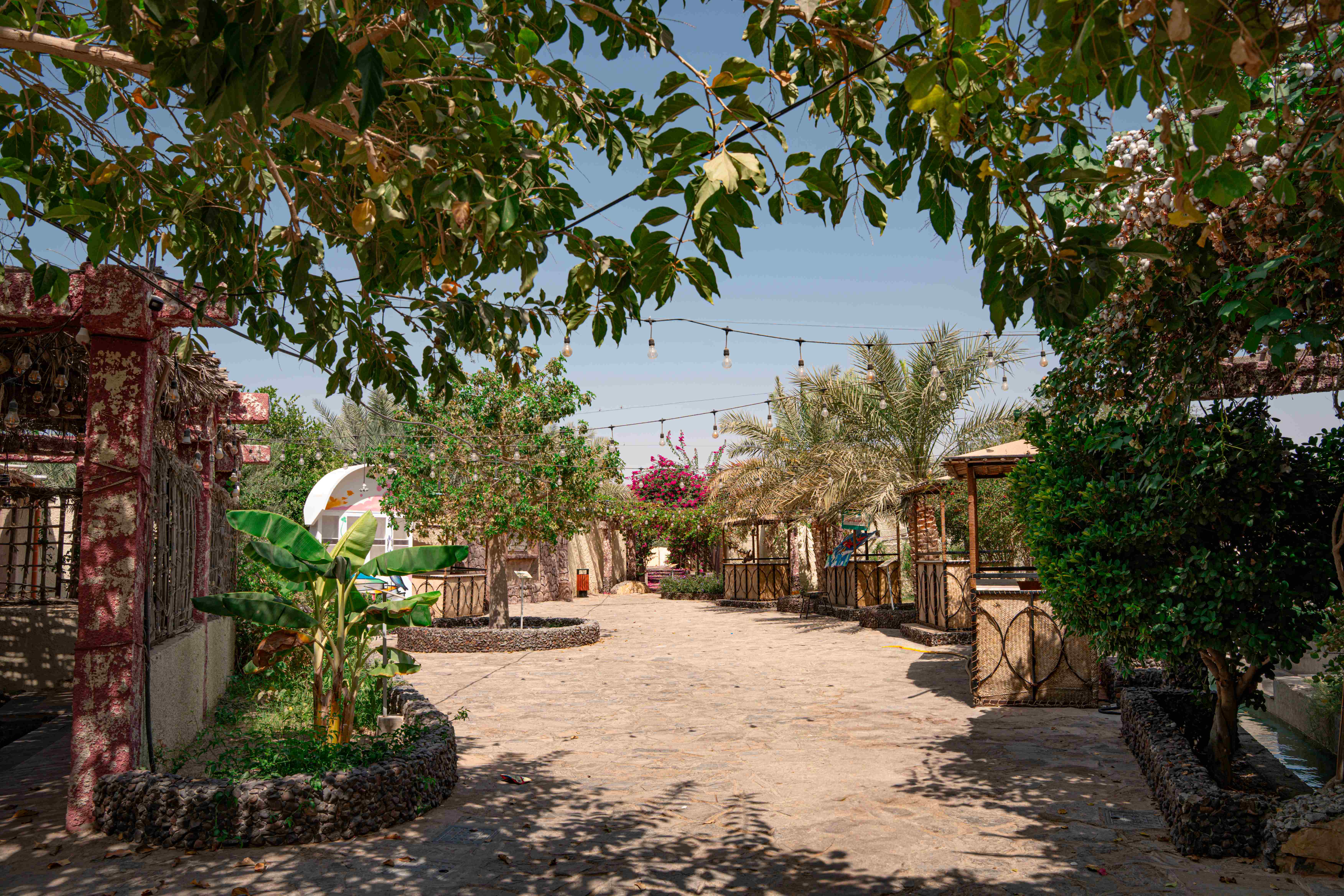
Al Buraimi Oasis represents a profound historical legacy and a vibrant cultural landmark at the heart of Al Buraimi Governorate. More than just a fertile green landscape, it stands as a testament to the ingenuity of the Omani people in adapting to their environment and serves as a focal point where the historical, economic, and social dimensions that have shaped the region’s identity over the centuries converge.Rich in history, the oasis has long served as a strategic hub and a vital crossroads for trade caravans travelling across the Arabian Peninsula. It is surrounded by enduring historical landmarks, including Al Hilla Fort, Al Khandaq Fort, and Bait Bahr, which stand as living monuments to the area's defensive heritage and its role as an administrative center throughout history.Highlighting the oasis’s historical and agricultural significance, Engineer Talib bin Ahmed Al Jabri, Wakil of Al Sarani Falaj, explained that its extensive groves provide tangible evidence of sustainable agricultural activity that has continued for centuries, establishing the oasis as a distinguished center of civilization in the eastern Arabian Peninsula. He noted that this long-standing prosperity is reflected in the oasis’s unique agricultural character, which depends entirely on the Dawoodi falaj irrigation system—an ingenious, inherited engineering solution for managing water resources in arid environments. The oasis is home to thousands of date palms, forming the backbone of its vegetation, while Al Sarani Falaj and Al Buraimi Falaj serve as the principal lifelines nourishing its expansive green landscape.Al Jabri added that Al Sarani Falaj is an exceptional example of traditional engineering, with its underground tunnel extending several kilometers and reaching depths exceeding 20 meters in some sections before emerging at the surface. Its waters sustain the cultivation of renowned Omani date varieties such as Khalas, Fardh, and Khasab, alongside fruit trees including bananas, lemons, and mangoes.He further explained that the oasis has long been a social and cultural gathering place, where residents traditionally came together during the Jidad (date harvest) season and shared falaj water according to established Omani customs and traditions. He also praised the ongoing community initiatives dedicated to restoring, deepening, and maintaining the falaj channels to ensure the continued flow of water.As part of the continued commitment to preserving and developing the oasis, Engineer Musa bin Saeed Al Abri, Director General of Al Buraimi Municipality, outlined the efforts undertaken by the Office of the Governor of Al Buraimi. He emphasized that the oasis receives special attention aimed at making it a model that connects the authenticity of the past with the aspirations of the present.Al Abri explained that the Al Buraimi Oasis Project reflects the Governorate Office’s direct commitment to the site. The project seeks to integrate the city's modern urban fabric with the oasis’s historical features, revitalizing the area between Al Hilla Fort and Al Khandaq Fort and transforming it into a cultural, tourism, and economic destination serving the entire governorate.He also revealed that work on the project continues alongside ambitious future plans, including expanding the development to connect the oasis with the surrounding mud-brick houses and traditional architectural features, allowing visitors to experience the area's authentic historic urban character. In addition, ongoing cooperation between the Office of the Governor and the local community aims to improve the efficiency of Al Buraimi and Sa'ara Falajs, ensuring sustainable water flow and continued support for local farmers.He added that collaboration is also underway with the Ministry of Agriculture, Fisheries and Water Resources to introduce modern irrigation technologies, contributing to increased commercial activity and supporting the growth of small and medium-sized enterprises.In line with Oman Vision 2040, Al Buraimi Oasis is viewed as a strategic model for sustainable green cities by integrating its environmental and agricultural assets with tourism and cultural development. The vision seeks to preserve the oasis as the city's green lung and a tourism destination that strengthens the local economy. With its towering palm groves and flowing aflaj, Al Buraimi Oasis remains a living example of environmental and cultural heritage preservation in the Sultanate of Oman and a timeless symbol of resilience, prosperity, and the enduring spirit of generations.